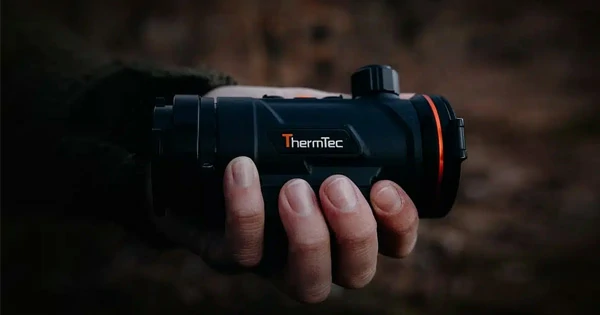
Thermal cameras are now the cutting-edge technology for observation and thermal detection in outdoor environments. No longer just professional tools, these devices have become essential companions for hunters, researchers, nature enthusiasts, and security professionals.
Introduction
Thermal cameras are now the leading technology for observation and thermal detection in outdoor settings. Once limited to professional use, these devices have become essential companions for hunters, researchers, nature lovers, and security experts.
- THERMAL RESOLUTION: THE PERFECT ELECTRONIC EYE
What Resolution Really Means
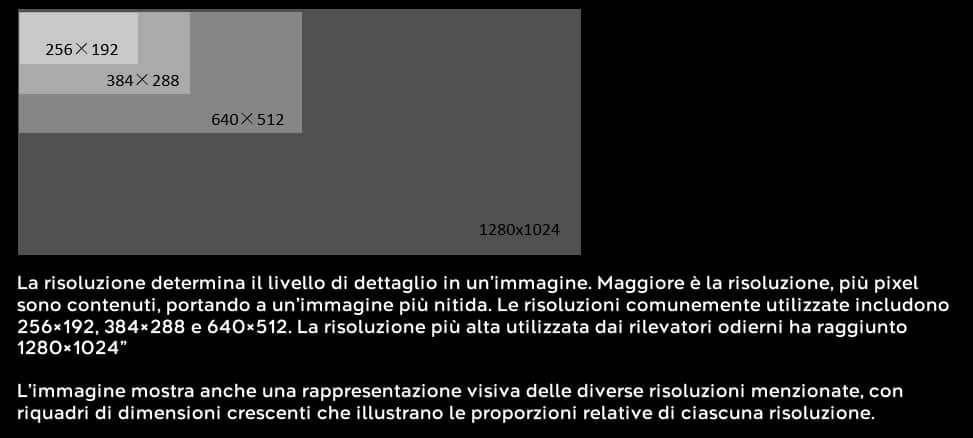
Thermal resolution is not just a number on a spec sheet, but the device’s ability to capture and interpret heat-related details. The higher the resolution, the more accurate and detailed the thermal image will be.
Resolution Levels:
- Basic (384×288 pixels):
Ideal for beginners approaching the world of thermal cameras. It offers sufficient quality for amateur use and initial thermal observation experiences. - Practical Example:
During a birdwatching session or other nighttime animal observation, this resolution allows identification of an animal’s shape, but not necessarily finer details. - Intermediate (640×480 pixels):
A significant step up in quality. Perfect for wildlife observation, hunting, and more demanding outdoor activities.
Concrete Advantages:
Greater sharpness, ability to distinguish objects at longer distances (with lenses of at least 35mm or larger), better detail even in low-light conditions.
- Professional (1280×1024 pixels):
The state-of-the-art in thermal technology. Used by professionals, researchers, and specialized units.
Advanced Applications:
- Scientific research
- Environmental monitoring
- Security and rescue operations
- Detailed analysis in extreme conditions
THERMAL SENSITIVITY: THE MAGIC OF MILLI-KELVIN
Understanding Thermal Sensitivity
Thermal sensitivity measures a device’s ability to distinguish even minimal temperature differences. It’s measured in milli-Kelvin (mK), a unit representing one-thousandth of a degree Kelvin. It’s important to note that the value shown in technical specifications may refer either to the sensor’s NETD or the system’s NETD—that is, after software algorithms have enhanced the image by reducing noise and amplifying details. The latter may slightly reduce overall image clarity. Of course, the system NETD does not affect the sensor’s NETD, which is fixed during manufacturing.
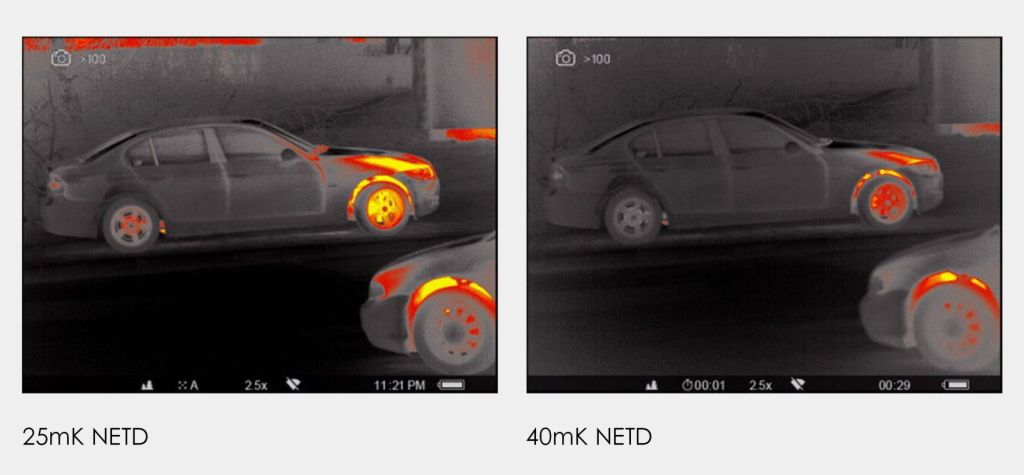
Sensitivity Ranges Explained:
- Standard (30–50 mK): Basic performance, suitable for general use.
- Professional (20–30 mK): High precision for more specific applications.
- Top-tier (15–18 mK): Cutting-edge technology, extreme thermal detection.
What Does This Mean in Practice?
A device with 15 mK sensitivity can detect a temperature difference of just 0.015°C. In practical terms, this allows:
- Detection of residual heat left by an animal
- Identification of minimal temperature variations in complex environments
- Visualization of hidden details invisible to the naked eye
FIELD OF VIEW (FOV): THE WIDTH OF YOUR VISION
Definition and Importance
The Field of View determines how wide an area you can observe at once. Think of it like a camera lens: the wider it is, the more landscape you capture. The larger the lens diameter, the narrower the field of view—but it allows you to observe at longer distances.
FOV Types in Detail:
Narrow (7–9°):
Ideal for:
- Precise observations
- Long-distance detection
- Detailed analysis
Medium (10–12°):
Versatile for:
- Hunting
- Surveillance
- General outdoor activities
Wide (15° and above):
Optimal for:
- Exploration
- Monitoring large areas
- Panoramic filming
REFRESH RATE: SMOOTH MOVEMENT
What FPS Means
Frames Per Second (FPS) determine image smoothness, crucial for dynamic scenes.
Detailed Breakdown:
- 20 FPS: Lower performance, suitable for static objects
- 30 FPS: Professional quality, ideal for moderate movement
- 60 FPS: Top-tier performance, excellent for fast-paced scenarios
BATTERY LIFE: POWER THAT LASTS
Key Factors
Battery life isn’t just about duration—it’s about reliability in extreme conditions.
Essential Features:
- Long operational time
- Battery type
- Fast charging
- Swappable batteries
THERMAL VIEWER USE CASES
Professional Hunters: Technology Predators
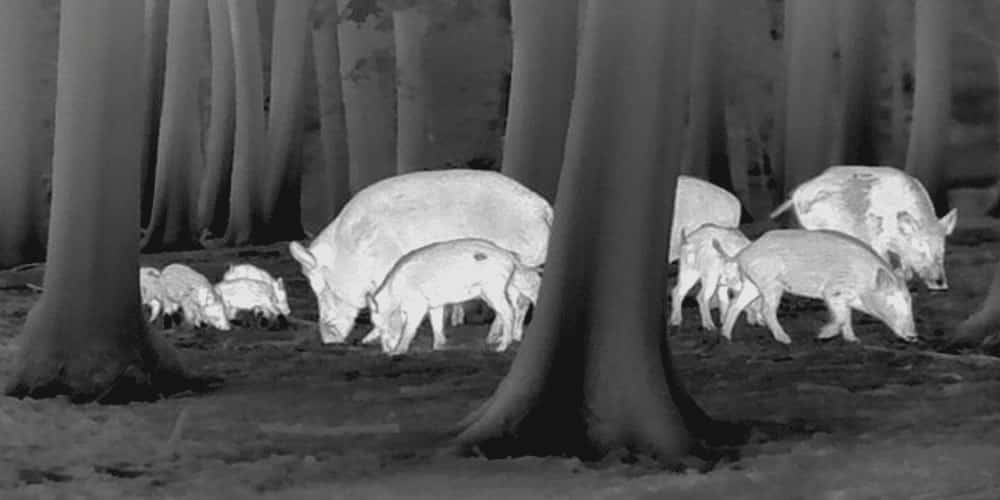
The evolution of hunting meets technological innovation. Modern hunters are not just nature experts, but true tech specialists. Thermal cameras have become indispensable allies, transforming traditional hunting into a scientifically precise experience.
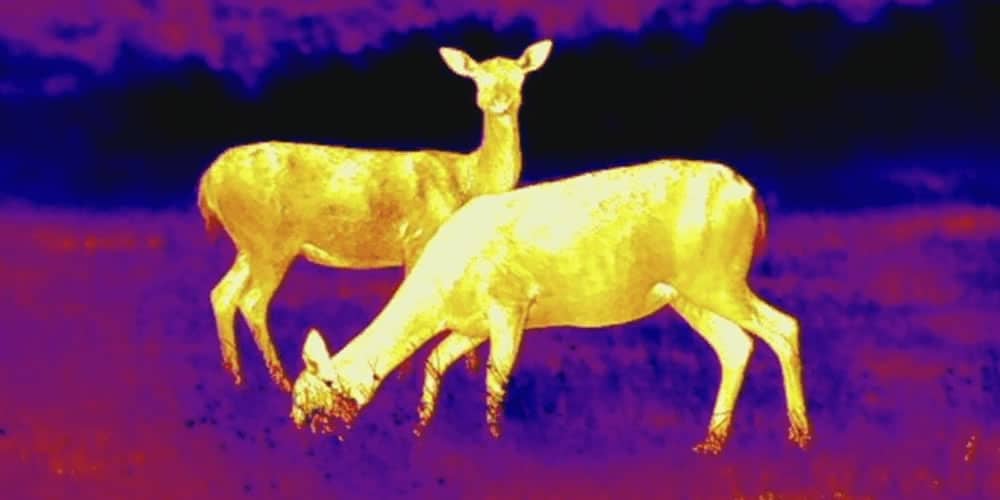
Core Needs:
- Accurate detection of nocturnal animals
- Resistance to extreme conditions
- Minimal bulk
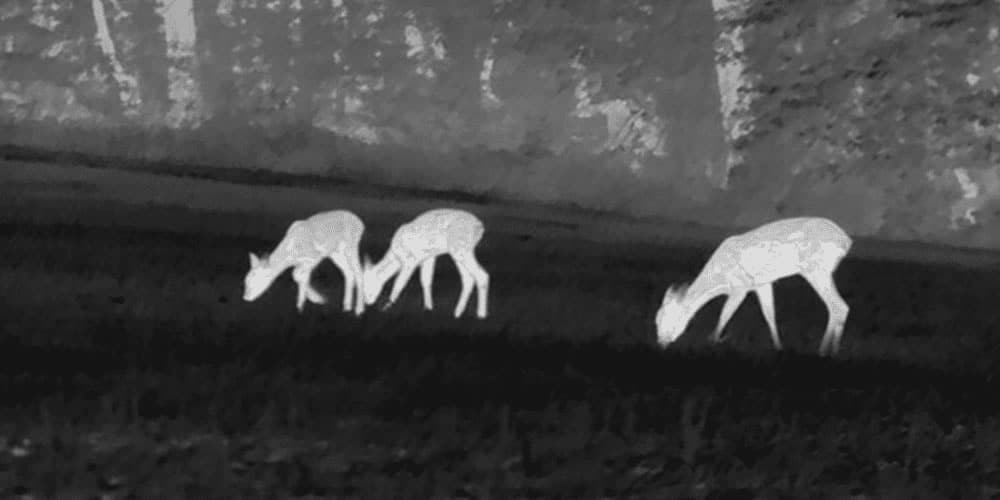
Key Strengths:
- Ultra-precise thermal sensitivity
- Camouflage modes
- Advanced digital zoom
- Shock and weather resistance
Nature Photographers: Image Hunters
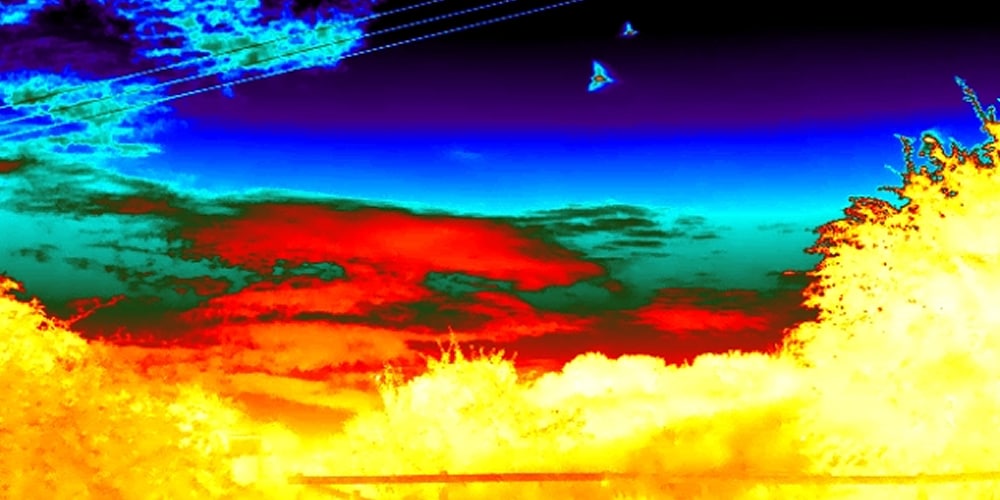
Beyond human sight, thermal technology opens new horizons for wildlife photographers. No longer just observers, they become storytellers capturing hidden moments of wildlife invisible to the naked eye.
Focus:
- Capturing wildlife
- Minimal environmental disturbance
- Superior image quality
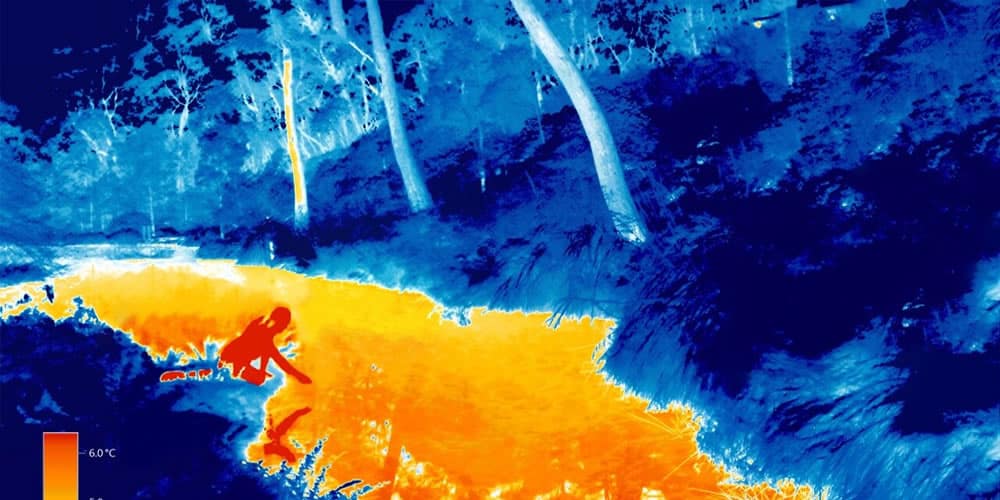
Main Benefits:
- High resolution
- Recording capabilities
- Smartphone connectivity
- Lightweight build
Hikers & Survivalists: Technological Explorers
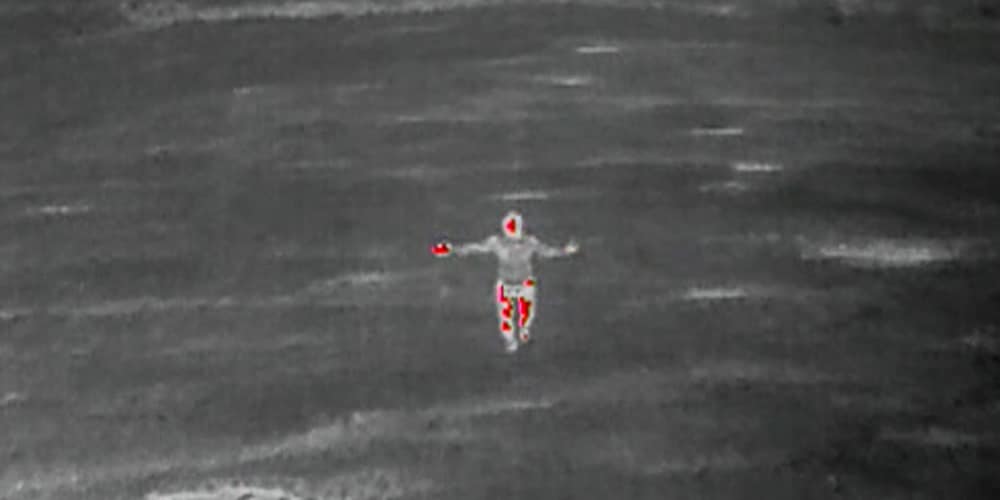
Nature is no longer unknown territory but a space to be explored with precision tools. Modern hikers turn technology into a companion, ensuring safety and awareness in every environmental condition.
Primary Needs:
- Night navigation
- Hazard detection
- Safety in hostile environments
Winning Features:
- Lightweight
- Intuitive interface
- Waterproof
- Durable construction
Security Professionals: Technological Sentinels
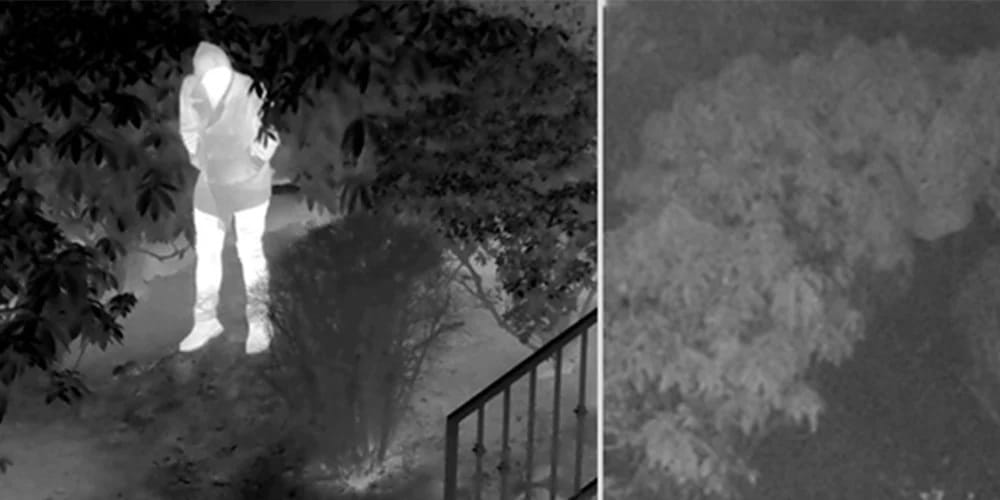
Security knows no temporal or spatial boundaries. Surveillance professionals use thermal cameras as extensions of their senses, turning monitoring into a precise and reliable science.
Objectives:
- Perimeter monitoring
- Intrusion detection
- Long-range accuracy
Exclusive Features:
- Wide field of view
- Remote connection
- Motion analysis
- Continuous recording
Birdwatching Enthusiasts: Explorers of the Invisible
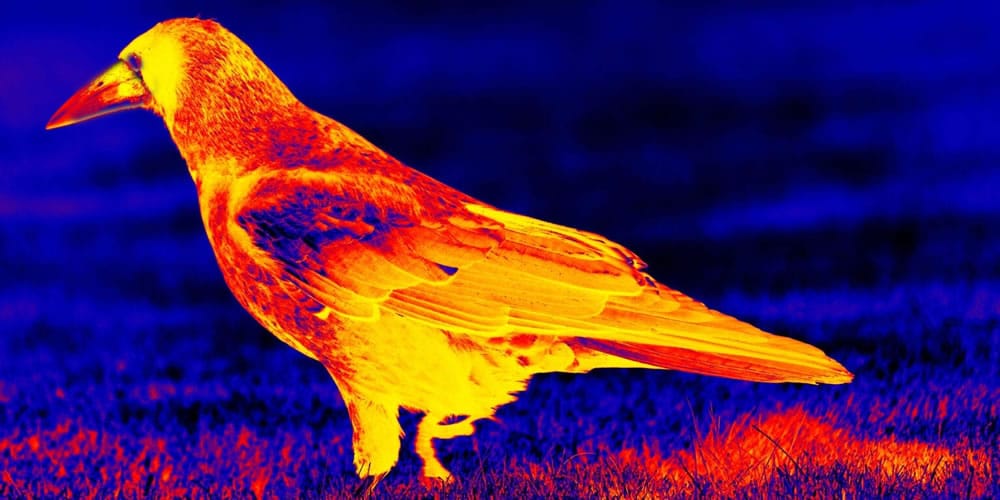
This section title was provided, but not followed by content in the original. Let me know if you’d like me to create a matching paragraph for birdwatchers based on your style.
Expectations:
Detailed observation
Temperature discrimination
Optical instrument compatibility
Technological additions:
High sensitivity
Multispectrum mode
Precise calibration
Telescope compatibility
Explore our section dedicated to thermal and digital observation.
Contact us by email or at +39 375 6125218 (also via WhatsApp) to receive personalized advice based on your needs